
Did you know a 2005 Consumer Reports study raised serious alarms about certain air-cleaning devices? The report found some ionizing models could create potentially harmful byproducts inside your home.
Choosing the right tool to clean your indoor atmosphere is a critical decision. It directly affects the health and well-being of your family.
Two main technologies dominate this space. One intentionally creates a reactive gas called ozone. The other uses advanced filters to trap particles.
That reactive gas, while powerful, is itself classified as a common outdoor pollutant. Agencies like the EPA closely monitor its levels due to respiratory concerns.
Making an informed choice means balancing the need for a fresh-smelling living space with the priority of long-term safety. Understanding the core function of each machine is essential.
This guide will explain how these systems work differently. We’ll help you navigate the pros and cons to meet your specific air quality requirements.
Key Takeaways
- The decision between these two types of devices significantly impacts your indoor environment.
- One technology produces a reactive gas that can pose risks to respiratory health if inhaled.
- Modern filtration systems in many air purifiers remove pollutants without adding chemicals to your space.
- Ozone is monitored as a pollutant by the EPA, highlighting its potential dangers.
- Effective odor removal must be carefully weighed against potential exposure hazards.
- Understanding the fundamental operation of each device is crucial for a safe selection.
- Your specific needs for cleanliness and safety should be the primary guide for your purchase.
Introduction to Ozone Generators and Air Purifiers
Indoor sanitation solutions split into two main categories. Each uses a completely different operating principle.
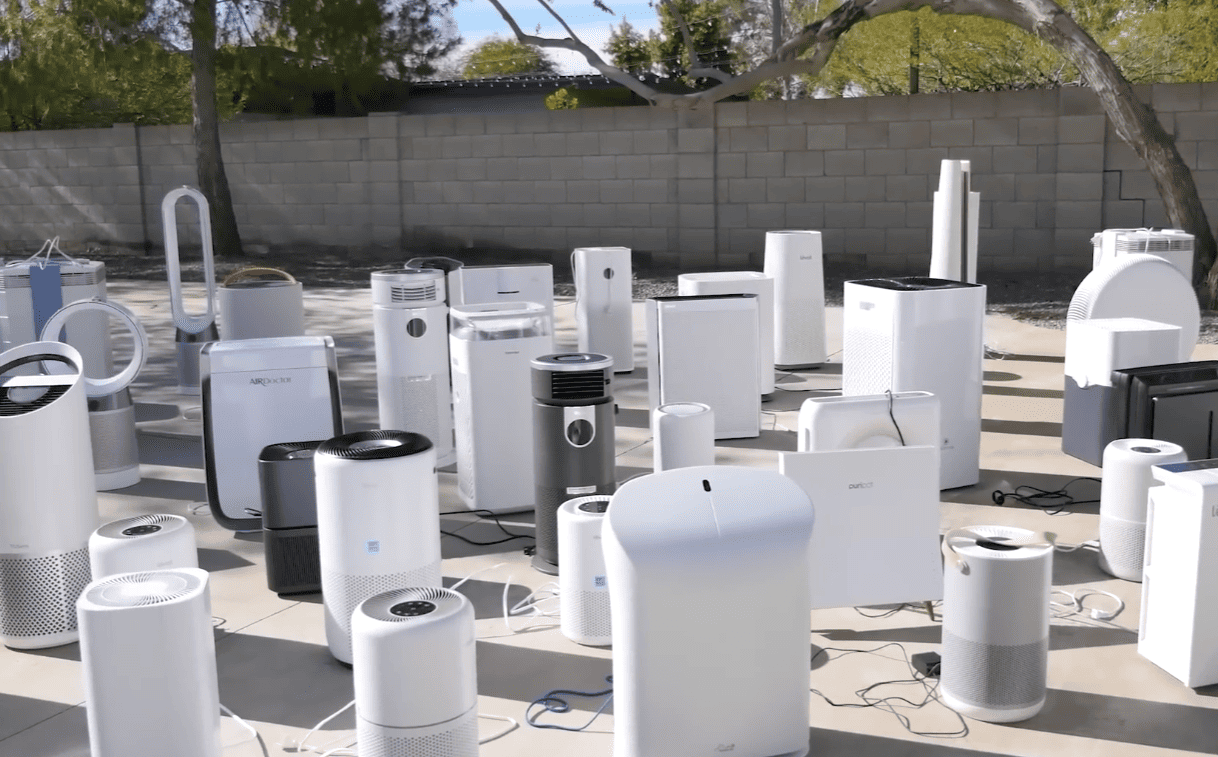
Commonly known as air purifiers, filtration systems are popular for everyday use. Often called ozone generators, the oxidizing units serve a more niche role.
Understanding the Purpose
It’s crucial to know what each machine is designed to do. Filtration-based systems aim to clean your atmosphere by trapping contaminants.
Their goal is to improve the air quality in your indoor environment safely. This often happens while people are present.
In contrast, devices that create ozone tackle heavy-duty tasks. They eliminate stubborn smells from smoke or pets.
They work by sending electrical charges through the air. This mimics a natural process to create a powerful oxidizing agent.
This reactive gas is not meant for occupied rooms. Using it in a lived-in space like a bedroom poses serious risks.
| Device Type | Primary Function | Key Consideration |
|---|---|---|
| Filtration System | Remove airborne particles and allergens | Safe for continuous use with people present |
| Ozone-Producing Unit | Neutralize strong odors and volatile compounds | Requires vacant space during and after operation |
| Combined Technology Units | Offer both filtration and limited oxidation | Check manufacturer guidelines for safe occupancy |
Why Comparison Matters
Many buyers assume all cleaning units work the same way. This confusion can lead to a poor choice.
Selecting the wrong technology doesn’t just waste money. It can create a hazardous situation inside your home.
Proper application is the key difference. It separates a fresher living area from one that might harm respiratory health.
Evaluating how each system operates is essential. It ensures your final pick matches your specific needs for a cleaner, safer house.
How Ozone Generators Work
These appliances clean not by trapping particles, but by actively altering the chemical makeup of pollutants. Their operation hinges on a specific, reactive form of a common gas.
This process is fundamentally different from mechanical filtration. It’s a chemical attack on unwanted elements in your environment.
The Chemical Oxidation Process
At the core is a molecule known as trioxygen, or O3. It consists of three oxygen atoms and is highly unstable.
This instability makes it a powerful oxidizing agent. When O3 molecules encounter a pollutant, they react violently.
They break down the cell walls of biological threats like mold, bacteria, and viruses. This reaction is called oxidation.
It’s effective against stubborn issues like smoke odor and mold spores hiding in porous surfaces. The gas reverts back to harmless oxygen after the reaction.
Generating and Releasing Ozone
These devices create trioxygen by sending a strong electrical charge through the air. This mimics the natural process that occurs during a lightning storm.
The charge splits stable oxygen (O2) molecules, allowing them to re-form as the reactive O3. The unit then releases this gas into the space.
Because it’s a gas, it penetrates areas other cleaners can’t reach. This provides a deep clean for unoccupied rooms.
It is crucial to follow all manufacturer instructions for use. These powerful generators should never operate in a room with people or pets present.
How Air Purifiers Work
Rather than relying on chemical reactions, many popular cleaning appliances use a physical barrier to trap pollutants. This mechanical approach focuses on removing contaminants from your indoor environment.
These devices, commonly called air purifiers, pull the atmosphere through a series of internal filters. The goal is to improve your air quality without introducing new elements.
HEPA and Activated Carbon Filtration
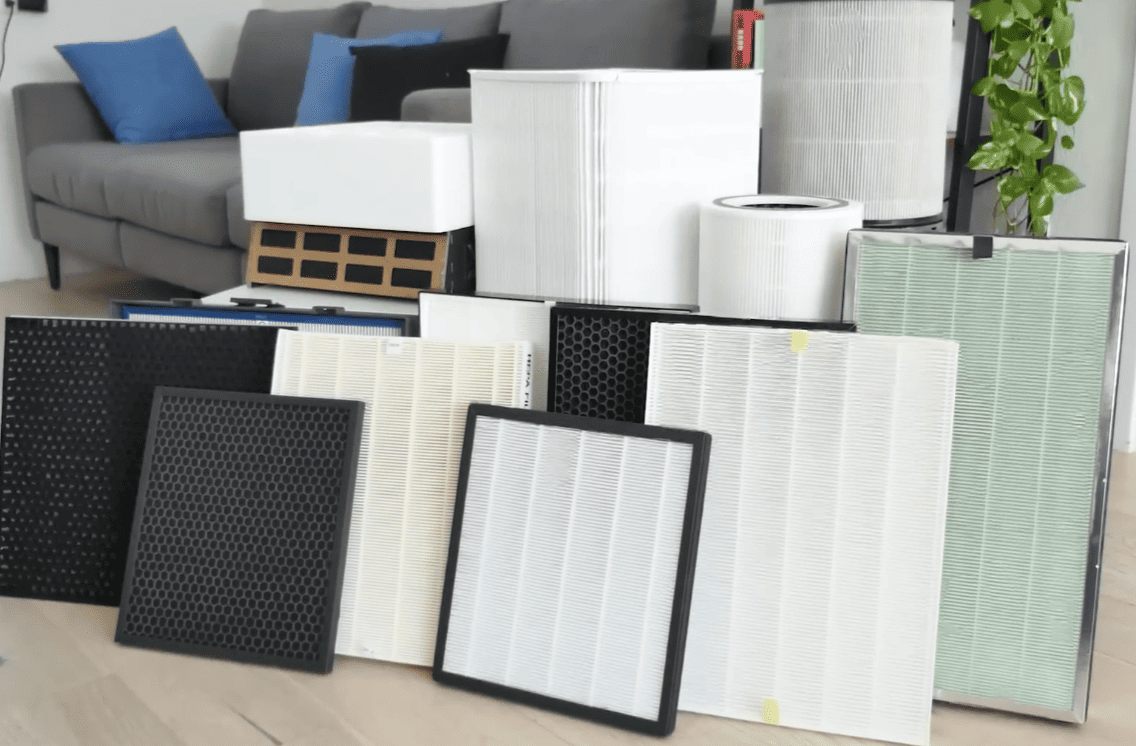
True HEPA filters are the cornerstone of this purification process. They are engineered to capture 99.97% of airborne particles as small as 0.3 microns.
This includes dust, pollen, and pet dander. A dense mesh of fibers physically traps these microscopic irritants.
Activated carbon filters often work alongside HEPA media. They use a process called adsorption to remove gases, odors, and volatile organic compounds.
| Filter Type | Primary Target | Key Feature |
|---|---|---|
| Pre-filter | Large dust & hair | Extends the life of main filters |
| True HEPA Filter | Microscopic particles (0.3 microns) | 99.97% capture efficiency |
| Activated Carbon Filter | Gases, odors, VOCs | Uses adsorption, not absorption |
“High-efficiency particulate air (HEPA) filtration remains the most reliable method for reducing particulate matter in indoor environments.”
Mechanical vs. Chemical Cleaning
The method described above is fundamentally different from chemical oxidation. One system traps pollutants, while the other aims to break them down.
This makes mechanical purifiers safe for continuous use in occupied rooms. Your family can breathe cleaner air without exposure risks.
Regular maintenance, like filter changes, is essential for peak performance. It ensures your unit keeps providing a healthy living space.
Comparing: ozone generator vs air purifier
Performance and purpose diverge sharply when you place these two cleaning methods side by side. One is a specialized tool for extreme situations. The other is a household appliance for everyday wellness.
Key Performance Differences
The core difference is fundamental. An oxidizing unit uses a chemical reaction to break down pollutants at a molecular level.
A filtration system relies on physical barriers to trap them. This leads to a clear performance split.
For eliminating stubborn smells from smoke or pets, the oxidizing technology is unmatched. For daily removal of dust, pollen, and dander, HEPA filtration is the gold standard.
Think of it as shock treatment versus continuous cleaning. One addresses a severe, one-time problem in an empty space. The other maintains a healthy environment where people live.
| Device Type | Primary Task | Best For | Safety Protocol |
|---|---|---|---|
| Oxidizing Unit | Odor elimination & surface sanitization | Vacant rooms, vehicles, after fire/water damage | Strict evacuation during and after use |
| HEPA Filtration System | Particle removal & allergen reduction | Occupied living spaces, bedrooms, offices | Safe for 24/7 operation with people present |
| Combination Unit | Limited odor control + particle filtration | Mild odor issues with ongoing particle concerns | Follow manufacturer occupancy guidelines closely |
Ideal Use Case Scenarios
Your specific situation dictates the right choice. For a vacant property with lingering smoke smell, a powerful oxidizing device is the superior tool.
It can penetrate walls and fabrics to neutralize odors at their source. This process requires the space to be completely empty.
For a family home where kids play and pets lounge, a reliable filtration system is the ideal solution. It quietly removes irritants from the indoor atmosphere you breathe every day.
Always match the technology to your primary goal for a cleaner, safer home.
Real-World Applications and Use Cases
Real-world use cases clearly show the distinct roles these two technologies are designed to play. Where you use them is just as important as why.
Residential Environments
In a home, oxidizing units serve a very specific purpose. They are a last-resort treatment for severe, stuck-in problems.
Think of powerful smoke smells or persistent pet odors in carpets. The process requires the room to be completely empty.
All people and pets must leave for the entire cycle. You also need to wait afterward for the gas to fully clear before going back inside.
Commercial and Specialized Settings
Hotels and rental properties often use this method between guests. It provides a deep level of room sanitization.
The gas can reach into fabrics and surfaces. This makes it effective against hidden mold spores, bacteria, and other lingering issues.
These commercial spaces benefit from a powerful, occasional clean. It’s different from the daily use of a standard filtration unit.
An air purifier runs constantly in occupied areas. An oxidizing device is for targeted, intensive treatment in vacant ones.
Health Implications and Safety Measures
The safety of your indoor environment hinges on recognizing the distinct health impacts linked to different cleaning technologies.
While both aim to improve your living space, their approaches carry different implications for your family’s health.
Risks Associated with Ozone Exposure
The EPA monitors this reactive gas as a major pollutant. It is a known lung irritant that can cause chest pain.
Breathing it at high concentrations leads to coughing and shortness of breath. People with asthma face a much higher risk.
A Duke University Medical Center study showed exposure can weaken your immune response. This makes it harder for your body to fight bacteria and viruses.
Best Practices for Safe Operation
If you must use an oxidizing device, strict protocols are non-negotiable. Never operate it in an occupied room.
Ensure all people and pets have left for the entire treatment cycle. Use a timer and provide strong ventilation afterward.
Always prioritize your long-term health by choosing safer alternatives for daily air quality management.
| Risk Factor | Potential Health Effect | Recommended Safety Measure |
|---|---|---|
| High Ozone Concentrations | Lung irritation, coughing, chest pain | Use only in vacant spaces with precise timing |
| Pre-existing Respiratory Conditions | Severely aggravated asthma symptoms | Avoid exposure entirely; choose filtration instead |
| Immune System Impact | Reduced ability to fight infections | Limit use and ensure complete airing out post-use |
| Improper Use in Living Areas | Toxic exposure to all inhabitants | Follow manufacturer evacuation guidelines strictly |
Expert Recommendations and Regulatory Insights
Official guidelines from U.S. agencies draw a sharp line between safe everyday appliances and specialized industrial tools. Trusted sources like the Environmental Protection Agency and Consumer Reports provide the clarity needed to make a healthy choice for your family.
Consumer Reports and EPA Guidelines
A landmark 2005 study from Consumer Reports raised significant alarms. It led to increased government oversight of ozone generators, highlighting their potential dangers in residential settings.
The EPA classifies this reactive gas as a common outdoor pollutant. Its guidelines strongly advise against using machines that generate it for everyday air purification in occupied spaces.
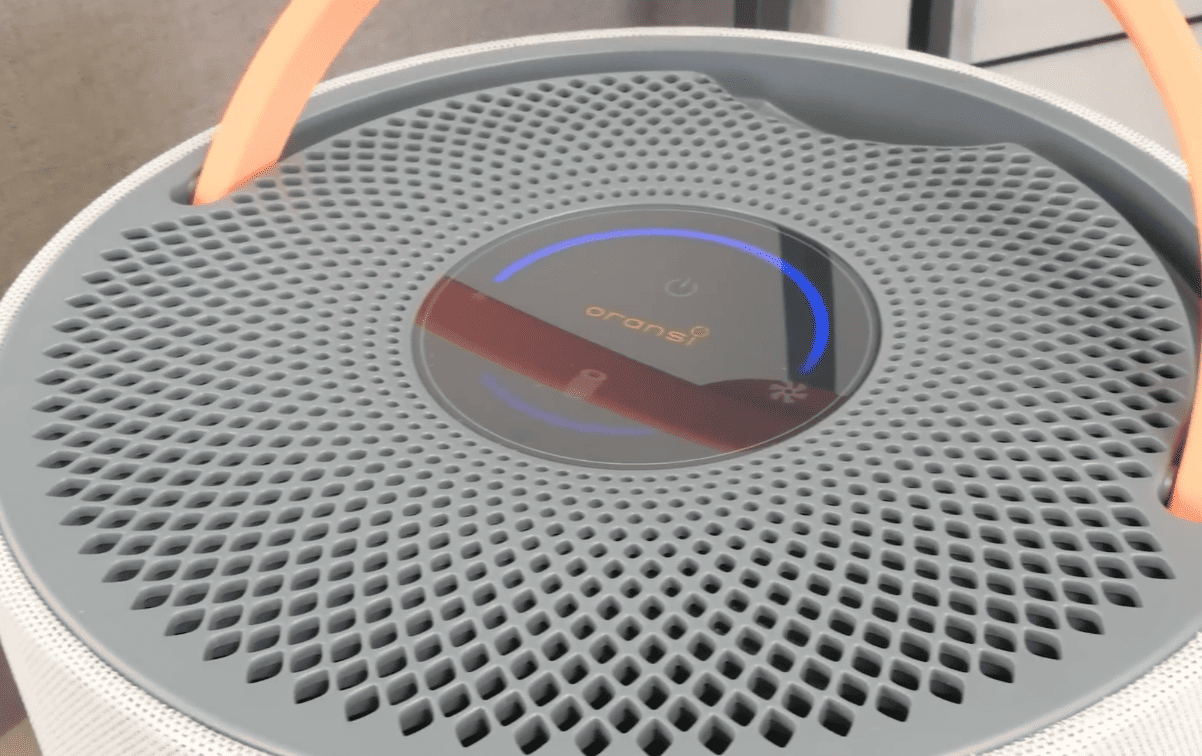
Peter Mann, CEO of Oransi, publicly emphasizes the importance of safe technology. “Effective cleaners should use true HEPA filtration to remove particles and allergens, not release potentially harmful gases,” he states.
For issues like persistent smoke or pet odors, experts recommend activated carbon filters within a standard air purifier. This approach tackles smells without introducing risky chemicals into your home.
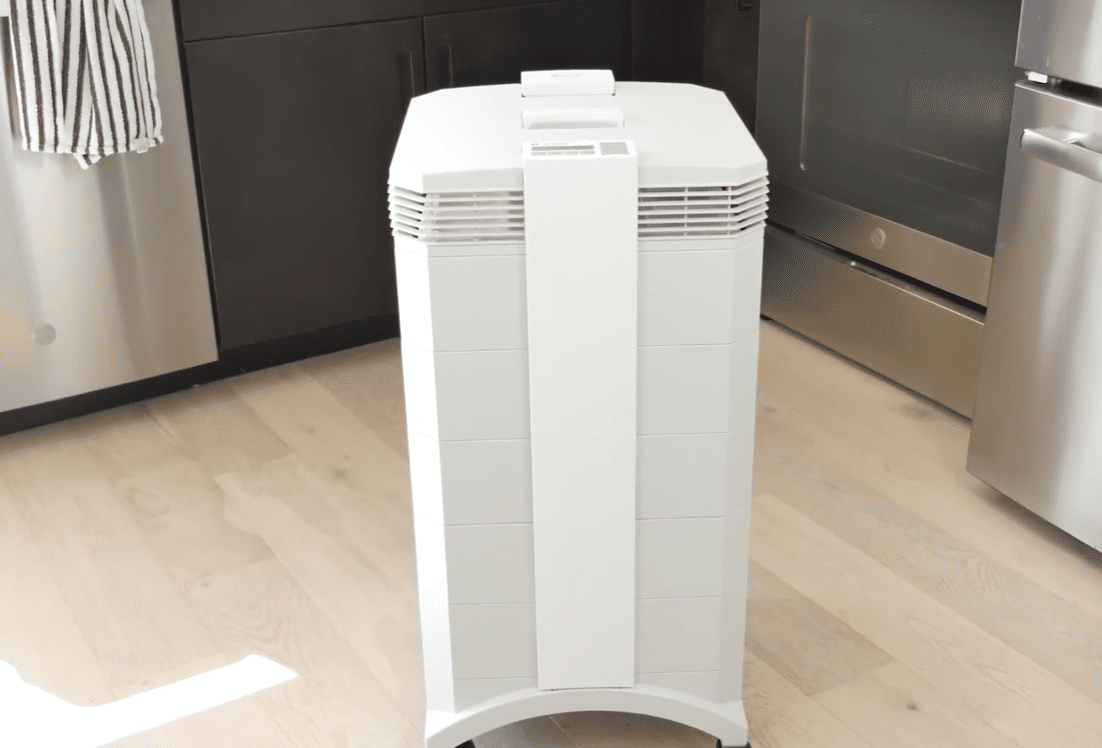
Following this expert guidance protects your indoor quality. It ensures you choose certified air purifiers that clean your environment safely.
Conclusion
Your journey to a cleaner home environment culminates in one critical choice. Picking the right technology is essential for a healthy living space and safe indoor air.
While powerful for specific, unoccupied tasks, devices that produce reactive gases are not for daily use. For continuous removal of irritants, mechanical filtration systems offer a reliable and secure path.
Always prioritize safety by choosing proven methods like HEPA filters. These units effectively trap microscopic particles without introducing new risks.
Understanding these key differences empowers your decision. It safeguards your long-term health and provides peace of mind.
We hope this guide has clarified the risks and benefits. May it help you select the best solution for your specific cleaning needs.