
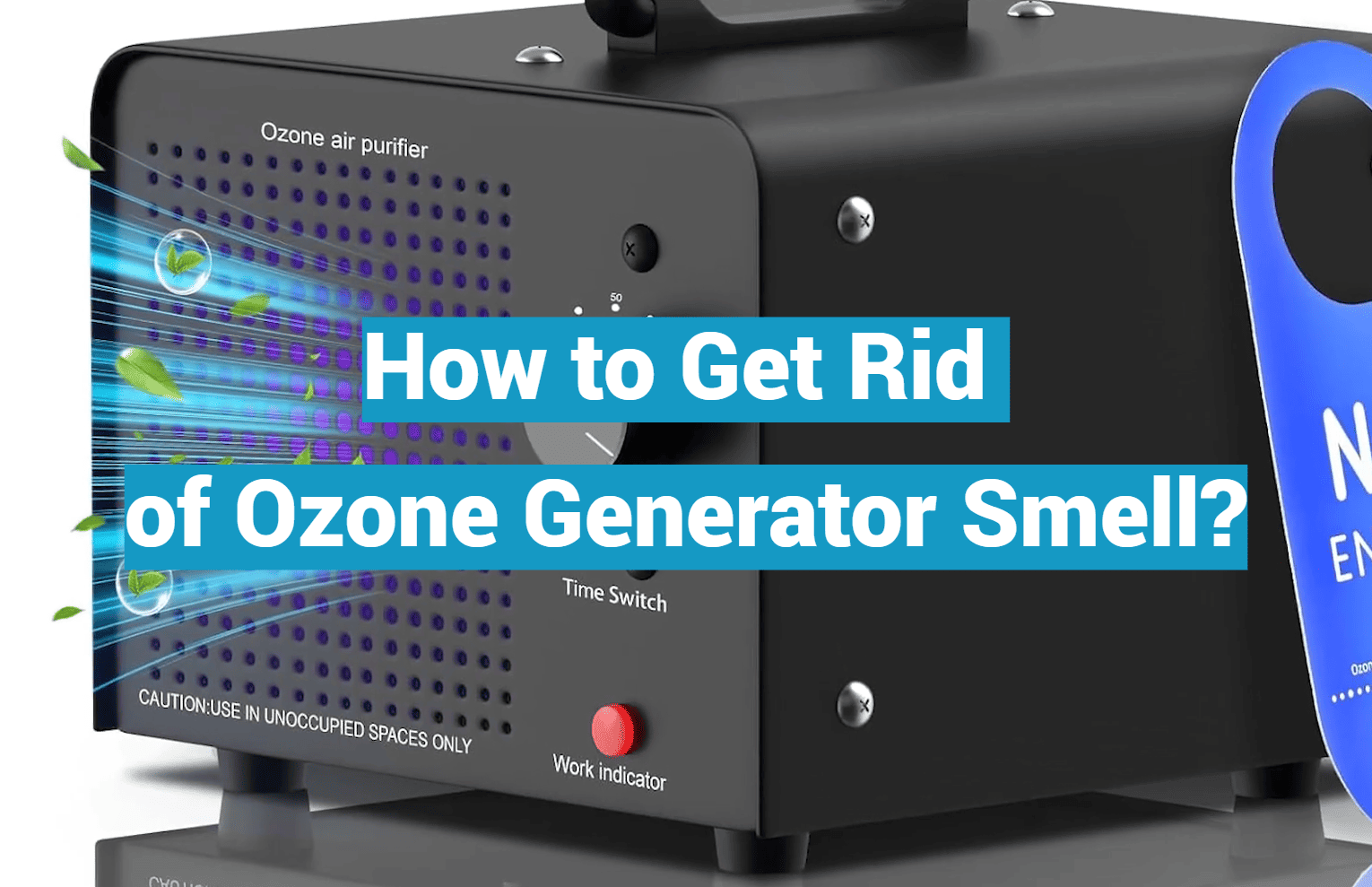
Did you know the crisp, clean scent after a thunderstorm is actually ozone? Over a million units are sold each year to tackle tough household odors. These machines harness that same powerful molecule.
An ozone-generating device works by releasing a gas that acts as a strong oxidizer. It attacks unpleasant odors at their source, breaking apart the molecules that cause them.
Many people describe the resulting scent as fresh, similar to post-rain air. It’s a sign the process is working. However, after a treatment, you might notice a sharp odor lingering.
Understanding this cycle is the first step to managing your indoor environment. With the right approach, your space can feel refreshed without any harsh traces.
Key Takeaways
- Ozone generators release a gas that neutralizes stubborn odors by oxidation.
- The characteristic smell is often compared to the air after a thunderstorm.
- These devices are powerful tools for improving indoor air quality.
- Proper ventilation after use is crucial for safety and comfort.
- Knowing the correct techniques helps maintain a fresh environment.
- The ozone itself breaks apart the compounds that cause bad smells.
- Managing the aftermath ensures your space feels clean and inviting.
Understanding the Ozone Generator Smell
These devices produce a unique odor that many describe as metallic or similar to bleach. This scent is a byproduct of their powerful cleaning action.
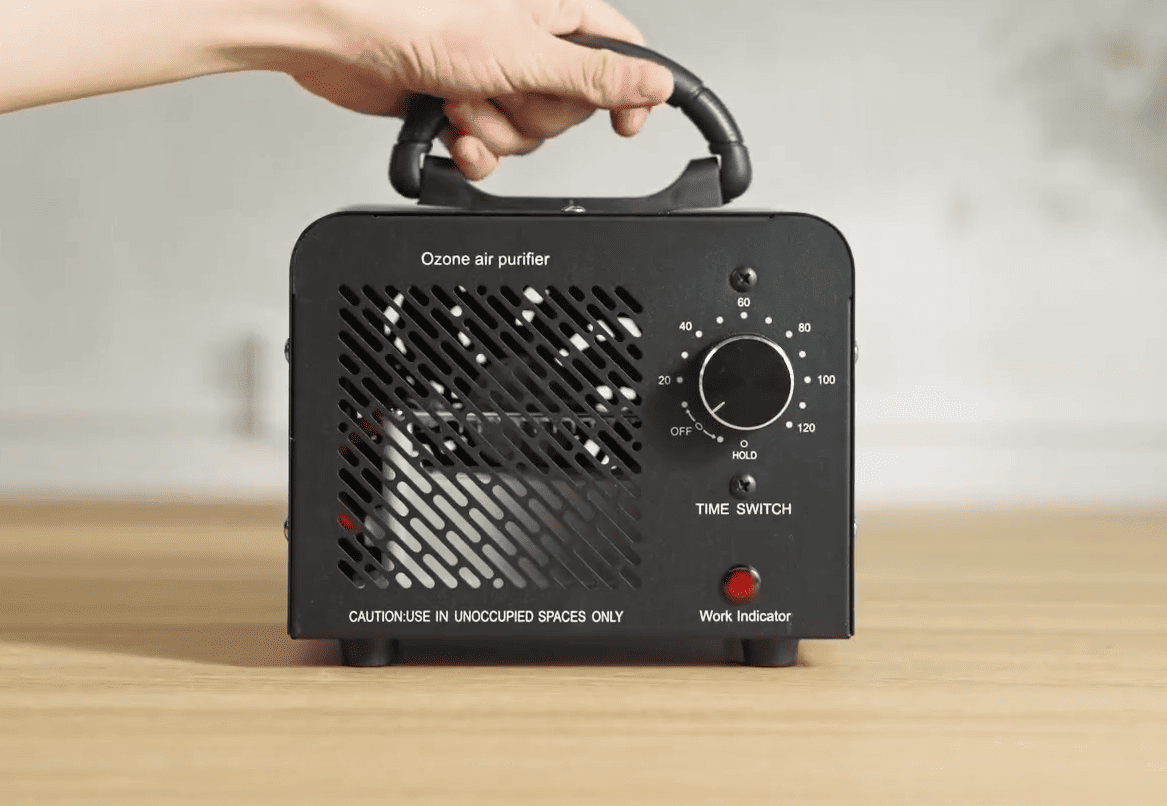
Ozone (O3) consists of three oxygen atoms bonded together. It’s the same protective layer found high in our atmosphere. In your living space, it acts as a strong oxidizer.
What is Ozone and How Does It Work?
The average unit uses a process called corona discharge. This splits stable oxygen molecules (O2) to form O3.
This active gas then attacks organic compounds in the air. It binds to and destroys the particles that cause persistent odors.
The reaction happens at the molecular level. This makes it effective where traditional cleaning methods might fail.
Common Descriptions and Perceptions of Ozone Scent
Many people report a sharp, clean aroma. It’s often compared to the smell of chlorine bleach used for household cleaning.
This characteristic scent is a sign the treatment is working. It indicates that odor molecules are being broken down.
Remember, the smell is temporary. High concentrations mean the process is active, but you should avoid staying in the area.
These machines can reach nooks and crannies. They provide a deep clean that refreshes your indoor environment.
Causes and Safety Concerns
Exposure to high concentrations of ozone gas can lead to immediate health symptoms, according to health authorities. The distinct scent is a sign of active cleaning, but it also signals a need for caution.
Understanding these risks ensures you use the equipment effectively and safely.
Ozone Exposure and Health Implications
The CDC lists short-term symptoms from breathing this gas. These include coughing, a dry throat, and shortness of breath.
Some people may experience wheezing or pain in the lungs. These effects are typically temporary but highlight why direct exposure should be avoided.
The strong oxidizer is powerful against odors, but it can irritate living tissues. Always vacate the area during any treatment.
Safety Precautions When Operating Ozone Generators
Always keep pets, children, and plants out of the room. Run the machine for only 2-3 hours in larger spaces.
If you detect a sharp, bleach-like smell, leave immediately. Open all windows and doors to ventilate the area.
Wait at least 2-4 hours before re-entering a treated room. Remove sensitive items like artwork or electronics to prevent potential damage.
Using a timer for 30-minute intervals helps manage levels. Proper ventilation for two hours after use is a key final step.
| Precaution | Recommended Action | Primary Reason |
|---|---|---|
| Occupant Safety | Evacuate people and pets during operation. | Prevents respiratory irritation and health symptoms. |
| Exposure Time | Limit runtime to 2-3 hours; use a timer. | Controls ozone concentration for effective, safe use. |
| Post-Treatment | Ventilate for 2+ hours before re-entry. | Allows ozone to dissipate, restoring breathable air. |
how to get rid of ozone generator smell
Managing the aftermath of an ozone treatment is a crucial part of the cleaning process. Your goal is a fresh space, free of any harsh traces.
Follow these clear steps to restore your indoor environment quickly and safely.
Step-by-Step Guide to Eliminating the Odor
First, open every window and interior door in the treated area. This creates a powerful draft.
Next, place a powerful fan in the room. Point it towards an open window to push the air outside. This mechanical boost is key for fast results.
In dry, arid climates, the scent can linger. Running a humidifier adds moisture. This helps the active molecules break down and vanish faster.
Ventilation Techniques and Airflow Enhancement
True cross-ventilation is your best friend. Open windows on opposite sides of the room. This creates a sweeping current that clears the space.
For inline units installed in ductwork, proper setup is vital. Mount the equipment just after the fan. Ensure at least 10 feet of ducting follows it.
This allows complete chemical reactions before air circulates back into your home.
As a final polish, run a HEPA air purifier. It captures any leftover particles. Your space will feel truly clean and inviting.
| Technique | Action | Primary Benefit |
|---|---|---|
| Cross-Ventilation | Open windows/doors on opposite sides. | Creates a strong, natural current to push old air out. |
| Mechanical Airflow | Use fans pointed outdoors. | Dramatically speeds up the exchange of indoor and outdoor air. |
| Climate Adjustment | Run a humidifier in dry areas. | Helps residual ozone break down and dissipate more rapidly. |
Maintenance Tips and Practical Applications
Combining smart maintenance with the right supporting tools creates a powerful strategy for clean air. A little regular care keeps your equipment running well. It also makes every cleaning session more effective and safe.
Think of it like taking care of a car. Simple checks prevent bigger problems down the road. This approach ensures your living space stays fresh without hassle.
Regular Cleaning and Equipment Checks
Your machine needs attention to perform its best. Wipe down the exterior and check any filters or plates according to the manual.
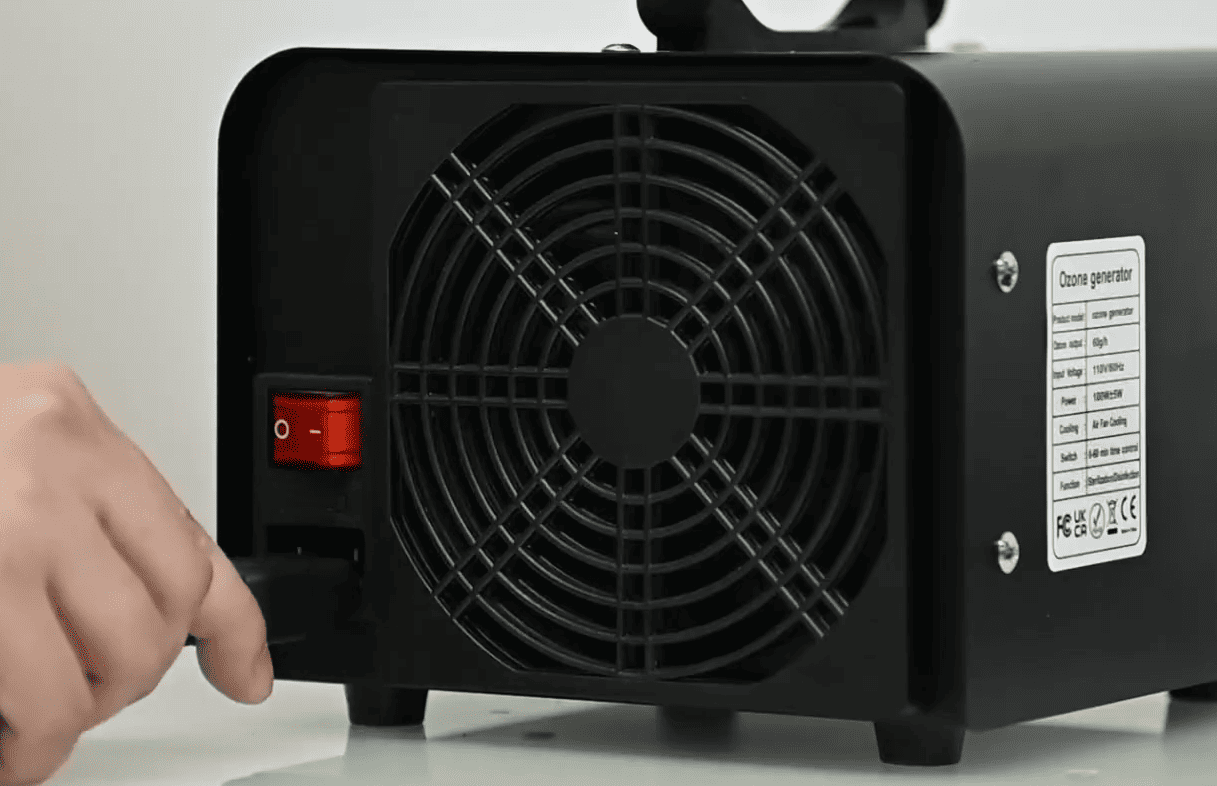
For inline units, inspect the ducting for leaks. Always ensure the extractor fan is running when the unit is on. This prevents dangerous levels of gas from building up.
- Use a timer. This guarantees no one is in the room during a treatment.
- Manually scrub items like scissors and pots after sterilization. This removes all biological residue.
- Run the machine for a few hours on full power for deep room sterilization. Always follow with thorough ventilation.
Using Additional Tools: Air Purifiers and Humidifiers
Some jobs call for a different tool. For ongoing protection against VOCs in an occupied home, consider an ozone-free option.
The Molekule PECO air purifier destroys volatile organic compounds safely. It works without producing any ozone, making it ideal for constant use.
In dry climates, a simple humidifier can help. Added moisture helps residual ozone molecules break down faster. This clears the air more quickly after a treatment.
Conclusion
Using ozone generators effectively hinges on understanding their power and limitations. These machines provide a powerful solution for stubborn problems, but they demand respect and careful handling.
The true success of any treatment lies in the aftermath. Proper ventilation and timing are non-negotiable for clearing the treated air. Always ensure people and pets are out of the room during the process.
If a sharp scent lingers, continue using fans and open windows. This action refreshes your home environment completely and tackles persistent odors.
By adhering to these protocols, you harness the cleaning strength of the equipment safely. Your indoor space will feel fresh and free of unwanted odor.