
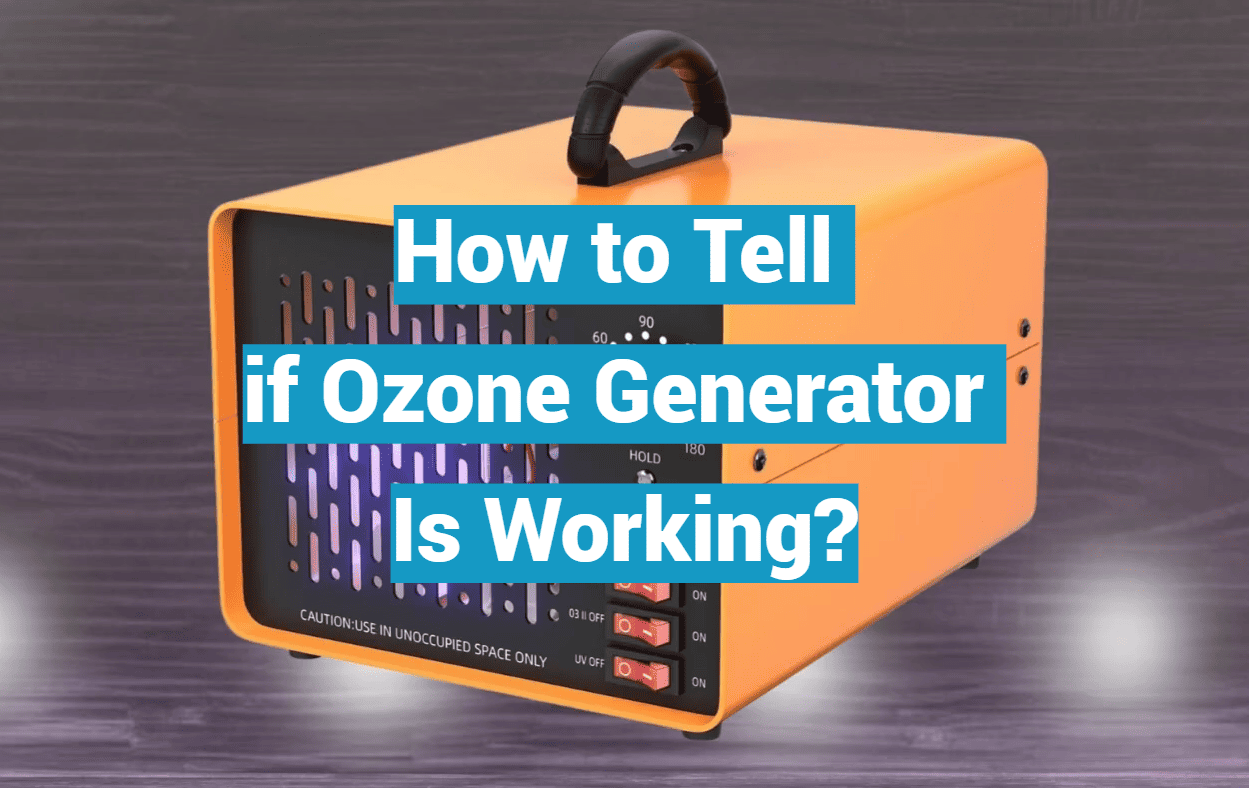
Did you know that every residential ozone generator has a finite lifespan? After a certain period, these units simply stop producing the ozone gas that keeps your water clean.
This reality leads to frequent questions from pool and spa owners. They want to know if their equipment is still effective.
Our informative guide is here to provide the answers you need. We’ll give you the essential information for verifying your system’s performance.
Understanding this timeline is critical for maintaining your water quality. A non-functional unit can’t provide the clean, clear water you expect for relaxation.
We address common concerns about unit lifespan and performance checks. You’ll learn to identify signs that your equipment requires attention.
By following the steps outlined here, you can troubleshoot confidently. This knowledge helps ensure your home oasis remains a healthy retreat.
Key Takeaways
- All ozone generators for pools and spas will eventually stop working.
- Knowing the signs of a failing unit protects your water quality.
- This article provides clear, actionable steps for verification.
- Regular performance checks can prevent bigger problems later.
- A properly functioning system is key to crystal clear water.
- Understanding your equipment saves you time and money on maintenance.
Understanding Ozone Generator Principles
Ozone technology operates on a simple yet powerful scientific principle. This equipment creates a reactive gas known for its sanitizing power.
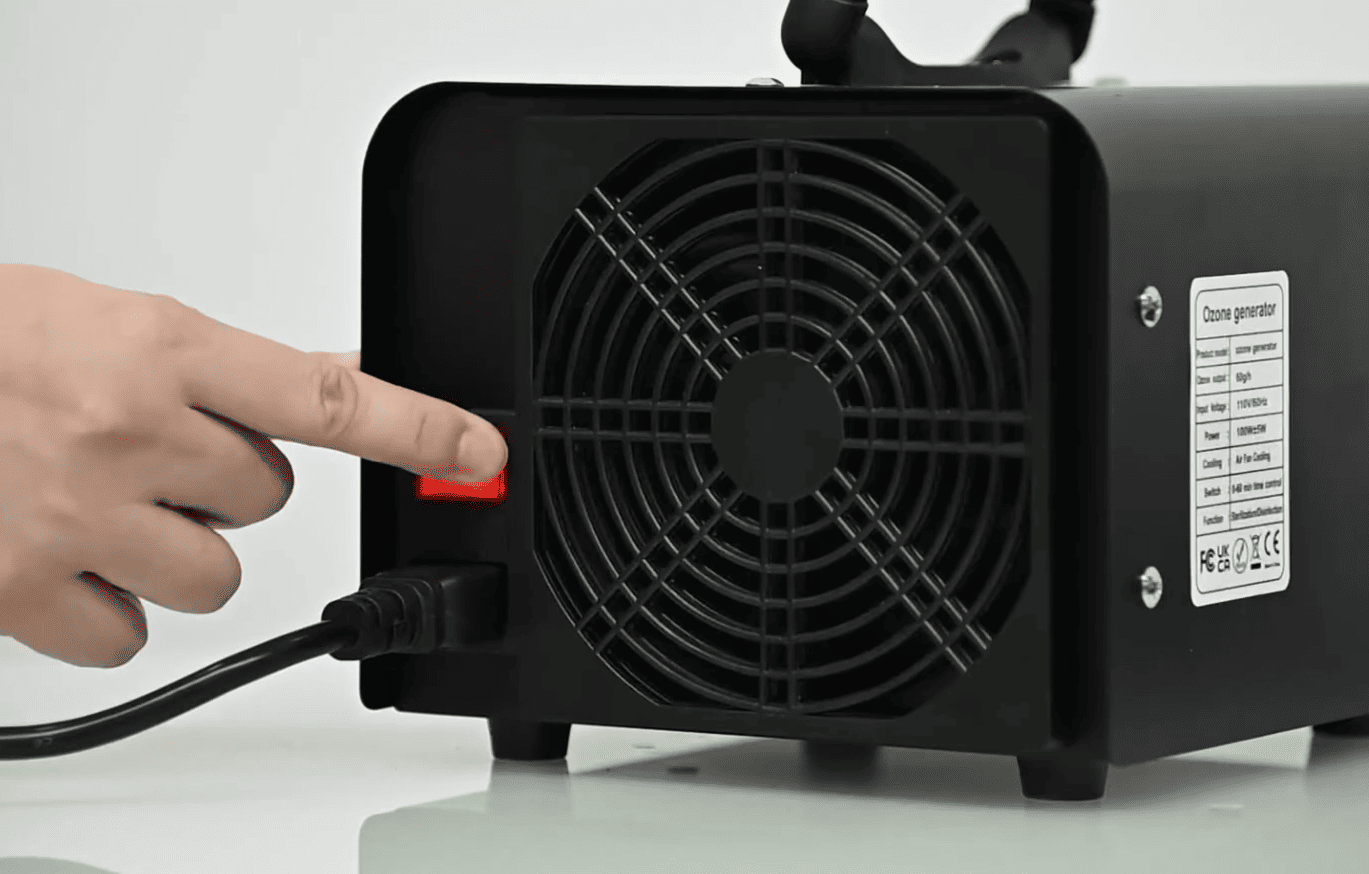
How Ozone is Produced and Its Applications
The process typically uses electrical discharge to convert oxygen (O2) into ozone (O3). This gas is a cornerstone of modern water treatment and air purification.
Its uses extend far beyond pool care. Advanced food processing facilities employ this method to ensure product safety.
People can often detect its presence in the air at very low levels, around 10 parts per billion.
| Application Area | Primary Use | Key Benefit |
|---|---|---|
| Residential Pools | Water Sanitization | Reduces Chlorine Use |
| Municipal Water | Pathogen Removal | Meets Safety Regulations |
| Food Processing | Surface Sterilization | Enhances Product Hygiene |
| Medical Fields | Equipment Disinfection | Powerful Oxidizing Action |
Benefits of Ozone in Water and Air Treatment
This form of treatment offers a robust alternative to traditional chemicals. It helps various systems comply with health regulations efficiently.
Ozone is one of the most effective broad-spectrum antimicrobial agents available for water and surface treatment.
The versatility of ozone applications proves its value across industries. From purifying ozone water to sanitizing air, its role is critical.
Modern ozone generators are integral to these effective systems. They provide a clean, reliable solution for maintaining high standards.
Observing Physical Indicators and Equipment Condition
The condition of your sanitizing equipment provides clear clues about its operational status. Simple observations can prevent major issues with your pool water quality.
Visual Inspections and Component Cleanliness
Start by looking at the unit. Confirm the high-voltage electrode and dielectric tube are clean. Dirt here blocks the reaction.
If you see a dirty internal tube, clean it right away. This simple act often restores proper ozone production. A clean unit works efficiently.
| Routine Visual Inspection Task | What to Look For | Recommended Action |
|---|---|---|
| Check Electrode & Tube | White powder, dust, or discoloration | Gently wipe with a dry, soft cloth |
| Examine Unit Housing | Cracks, moisture, or corrosion | Ensure unit is dry and sheltered |
| Monitor Air Intake | Blockages from debris or insects | Clear any obstructions immediately |
Cleanliness is non-negotiable. A layer of dust on the core components can reduce a generator’s output by half.
Checking for Damage or Loose Connections
Ensure all parts are tightly connected. Loose wiring is a common cause of complete failure. This check takes just a minute.
Regularly examine your pool equipment for wear. Look for frayed wires or cracked housings. Professional maintenance for ozone generators involves inspecting every connection.
This keeps your treatment process consistent. Well-maintained generators avoid the common failure points of older units.
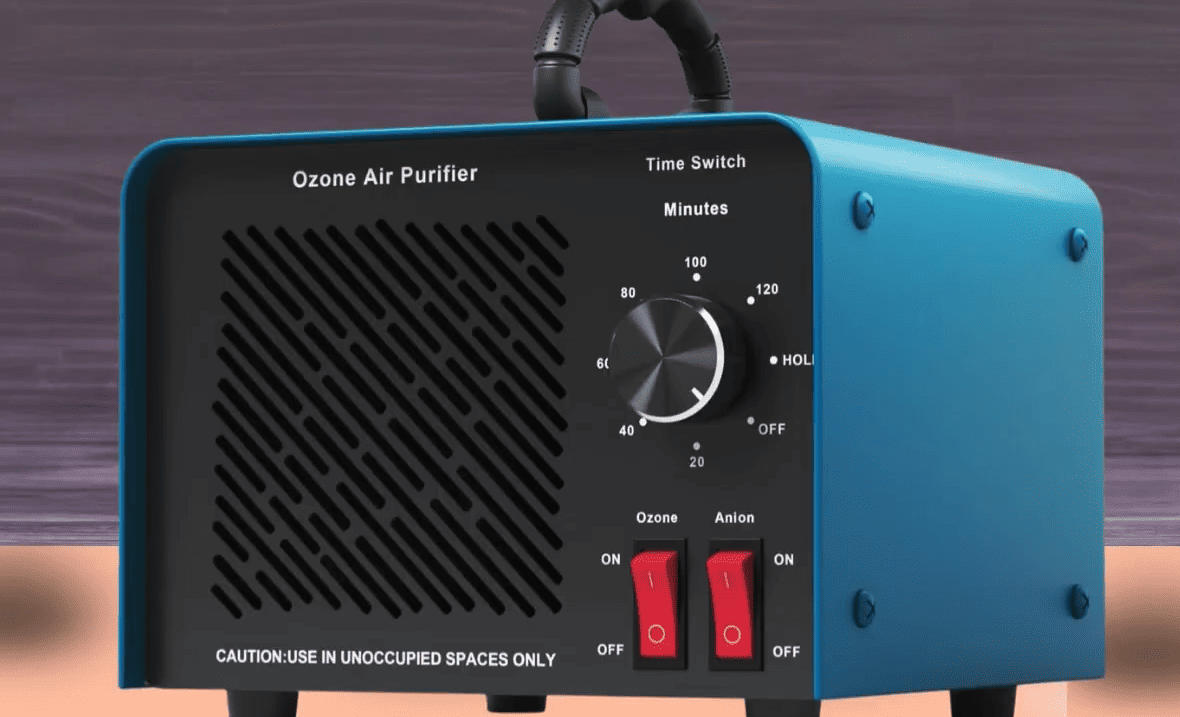
how to tell if ozone generator is working: Key Signs
Your senses can provide immediate feedback on your ozone system’s activity. Look, listen, and even sniff for clear indicators of proper function.
Identifying Ozone Bubble Formation
Check your spa or pool water for tiny bubbles. The gas produced should be under 1 mm in size, like fine champagne bubbles.
Be cautious. Some systems use air venturi fittings that create bubbles even with no production. Do not rely on bubbles alone.
Detecting the Distinct Ozone Smell
This gas has a pungent, fresh smell. People recognize it at concentrations as low as 10 parts per billion.
For a simple test, remove the hose from the injector. Sniff the air to detect the concentration being produced.
| Sign Type | What to Observe | What It Means |
|---|---|---|
| Blue Light | Eerie blue glow from UV bulb ozonators | Unit is actively operating |
| Vibration Sound | Small hum or buzz from Del spa or CD chip units | Ozone gas is being generated |
| Bubble Size | Tiny champagne bubbles under 1 mm in water | Possible output, but verify with other signs |
| Ozone Smell | Pungent, fresh odor near the system or hose | Ozone is present in the air |
These sensory checks offer a quick way to verify your equipment’s output at home. Combine them for a confident assessment.
Assessing Power Supply and Electrical Performance
A stable electrical foundation is crucial for your ozone system’s reliable operation. Consistent power ensures the unit produces ozone as designed for your pool.
Fluctuations in voltage can disrupt this process. You must keep variations within 10% of the unit’s rated value.
Verifying Stable Voltage and Current Output
Monitoring with a voltmeter and ammeter provides professional verification. These tools confirm your ozone generator draws correct power.
Stable current maintains consistent output. An unstable connection may cause the generator to fail completely.
Electrical instability is a silent killer for ozone production. Always verify the supply matches the manufacturer’s specs.
Inspecting Wiring and High-Voltage Components
Regularly examine all wiring for damage or looseness. Frayed cables or cracked housings need immediate service.
High-voltage parts inside the ozone generator require careful inspection. A qualified technician should handle this task for safety.
This proactive care keeps your pool generators safe and effective for years. Proper electrical maintenance prevents most operational problems.
Measuring Ozone Gas Concentration and Output
Verifying gas concentration provides definitive proof of your equipment’s performance. Quantitative checks ensure your sanitization process meets required standards.
This step confirms your ozone generator delivers the intended gas levels. Proper output is vital for effective water treatment.
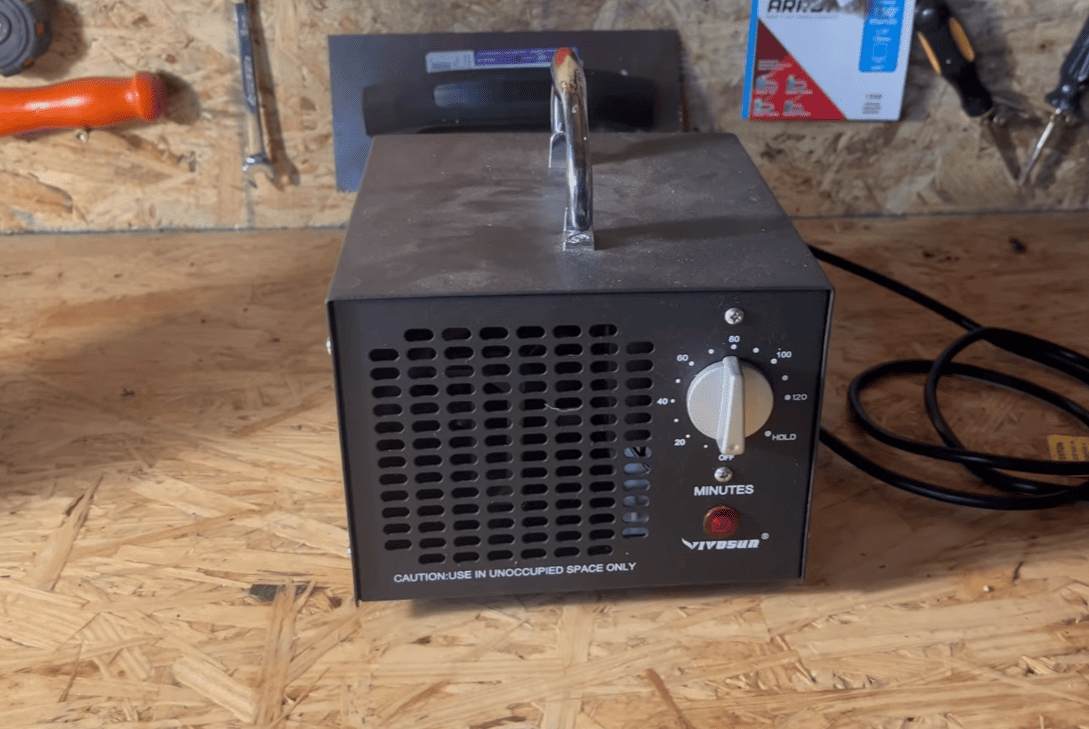
Using Ozone Test Kits Effectively
Professional test kits use a glass ampule that changes color. Connect it to the ozone hose during operation.
The color shift indicates the presence of ozone gas. Your concentration should reach over 90% of the unit’s nominal value.
This simple testing method gives you a clear, visual result. It helps verify your spa or pool system is sanitizing correctly.
Interpreting Gas Detector Readings
Electronic detectors provide precise readings of ozone concentrations. These tools measure gas levels in the air or water.
Accurate measurement confirms your equipment is working properly. Low readings suggest your generator may need service.
Regular testing of the ozone tube and output ensures compliance. It protects your pool water quality over time.
| Testing Method | How It Works | Best For | Accuracy Level |
|---|---|---|---|
| Ozone Test Kit | Color-changing glass ampule reacts with ozone gas | Homeowners, routine checks | Good for verifying presence and approximate concentration |
| Electronic Gas Detector | Sensor measures precise ozone levels in air or water | Professional service, troubleshooting | High, provides exact concentration readings |
| Visual Bubble Check | Observing fine bubbles in water (under 1mm) | Quick, supplemental indicator | Low, not a reliable concentration test |
Both methods are valuable for maintaining your ozone water treatment. Consistent use of these tools keeps your generators effective.
If concentrations are low, your ozone generator might be failing. Address this promptly to safeguard your water quality.
Regular Maintenance and Component Checks
The longevity of your water treatment system hinges on consistent, scheduled upkeep. This proactive approach keeps your pool or spa water crystal clear for seasons to come.
Routine Cleaning and Replacement of Parts
Manufacturers advise replacing key parts every year. This includes the ozone hose, check valves, and injectors. Fresh parts ensure optimal gas flow and water sanitization.
Older model units have specific needs. They typically require a new UV bulb or a complete renewal kit every 18 to 24 months. This scheduled replacement prevents a gradual loss of treatment power.
| Component | Replacement Frequency | Key Benefit |
|---|---|---|
| Ozone Hose & Tubing | Annually | Prevents cracks and gas leaks |
| Check Valves & Injectors | Annually | Ensures proper one-way water flow |
| UV Bulb (Older Models) | Every 18-24 months | Restores full ozone production output |
| General Unit Cleaning | Every 3-6 months | Removes dust for peak efficiency |
Sticking to this maintenance schedule is the best defense against failure. A clean system operates at its best, protecting your investment over time.
Troubleshooting Common Issues and Equipment Failures
A sudden change in performance often serves as the first alert that your sanitization unit requires attention. These problems can range from minor glitches to major equipment failure. Catching them early protects your pool or spa water quality.
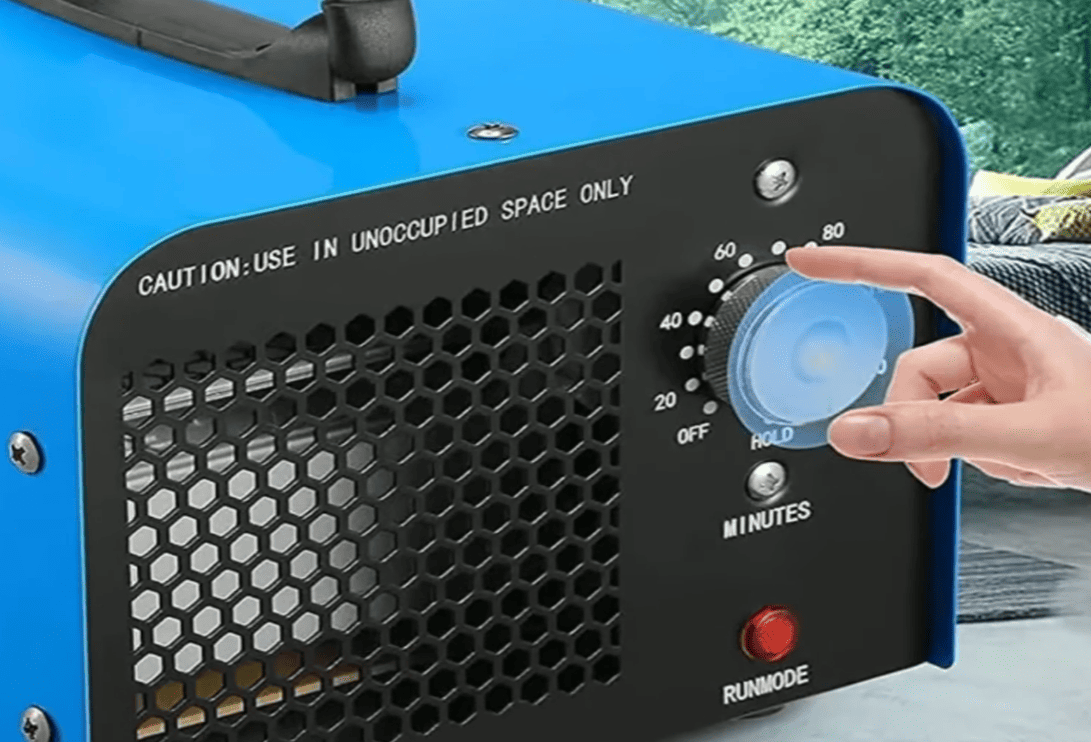
Interpreting Unusual Sounds and Visual Cues
Listen closely to your ozone system. A unit that suddenly falls silent or makes a strange buzzing noise may have an electrical issue. Visually, the absence of the characteristic blue glow in UV models or a lack of fine bubbles signals trouble.
The distinct smell of ozone is a key indicator. If that fresh, pungent odor disappears, ozone production has likely stopped. These sensory cues are your first line of defense.
Solutions for Decreased Ozone Production
When output drops, inspect the delivery system. Faulty check valves or injectors are frequent culprits. They can halt gas flow, requiring prompt service or replacement to restore function.
Check all electrical connections and fittings for security. Loose parts can cause leaks and reduce concentration.
Professional units from brands like Del are built to last, but even they have a finite lifespan of three to five years before a full replacement may be needed.
Addressing these problems quickly ensures your water treatment process stays effective. It also helps your home systems meet safety regulations.
Conclusion
A reliable ozone system is the cornerstone of clean, inviting water for your home. This article has delivered the essential information you need to verify your equipment’s performance.
We’ve tackled common questions about maintenance, testing, and troubleshooting. Following these steps lets you manage your ozone applications with confidence.
Your water quality remains protected when your sanitization process runs smoothly. Should any issues arise, our professional services and top-tier products are ready to assist.
Reach out for more information or to schedule a service. Thank you for trusting our expertise to keep your home oasis pristine.